Native vs Cross Platform Mobile Dev: 2026 Guide
3 hours agoPUBLISHED INAi Development
 ali
ali 2026-09-26 17:03:00
 0
0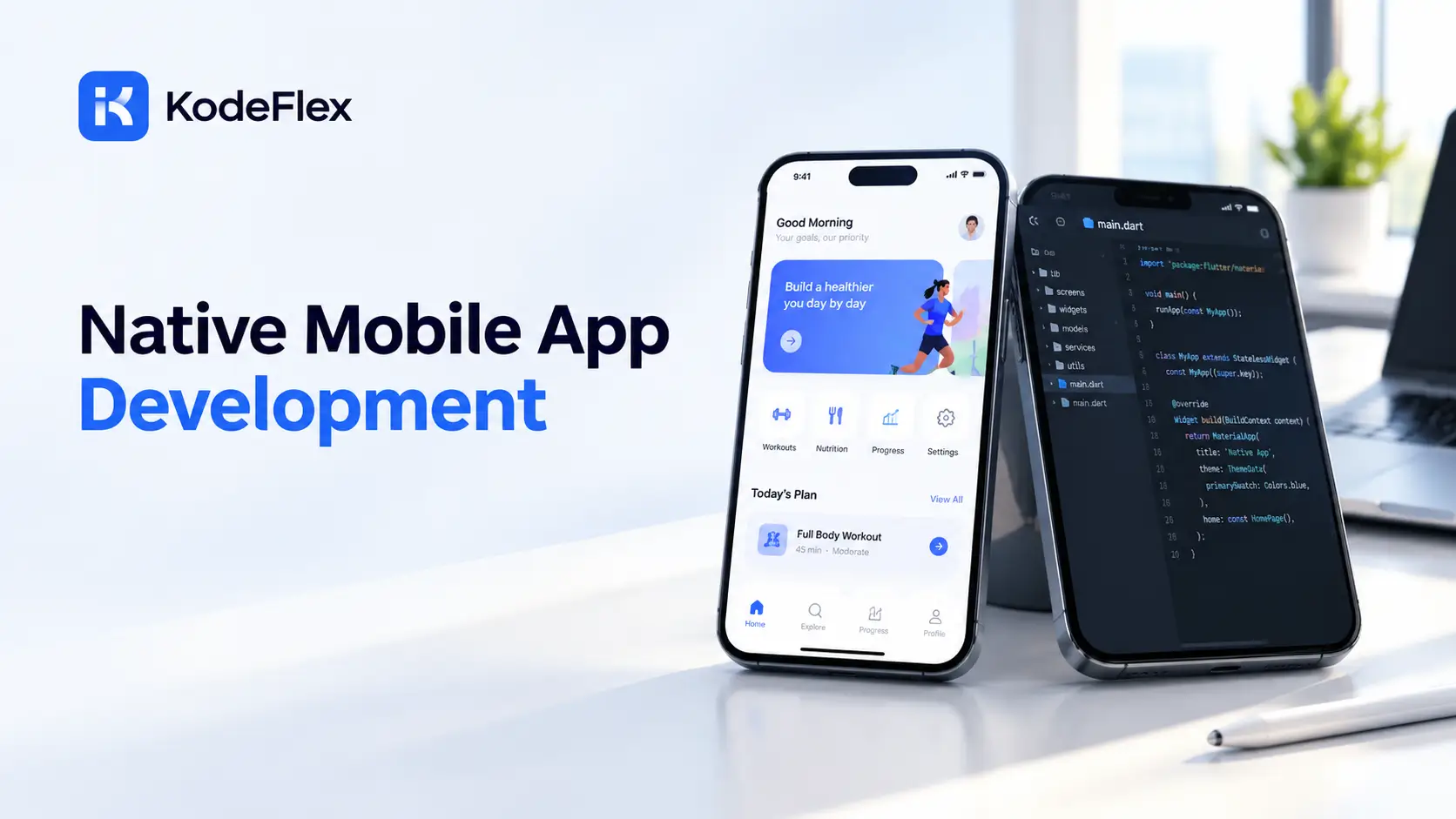
Choosing between native mobile app development and a cross platform framework used to be one of the first big decisions in any mobile project. In 2026, there’s genuinely a third path worth considering too, no code and AI native builders that sidestep the choice entirely for a real category of apps. Here’s how all three actually compare.
What Does This Approach Actually Involve?
Native mobile app development means building a separate app for iOS using Swift and a separate app for Android using Kotlin, each written specifically for that platform’s tools and conventions.
The Real Tradeoffs
-
Best possible performance, since the code runs directly on the platform without any translation layer
-
Full access to every device feature the moment a new one ships, no waiting on a framework to catch up
-
Two separate codebases to build and maintain, which roughly doubles development time and cost compared to writing once
-
Two separate teams or skill sets needed, unless a developer specializes in both
What Is Cross Platform Development, and How Does It Compare?
Cross platform development means writing one codebase that compiles to both iOS and Android, trading a small amount of native polish for a significantly faster build.
The Main Frameworks Worth Knowing
-
React Native, backed by Meta, widely used and well supported, with a huge ecosystem of existing libraries
-
Flutter, backed by Google, known for strong performance and consistent visuals across both platforms
-
Both frameworks let one team ship to both app stores from a single codebase, cutting development time significantly compared to two native builds
Where Cross Platform Still Falls Short
-
Extremely demanding graphics or performance heavy apps, like advanced games, still often favor native development
-
Access to brand new platform features can lag slightly behind native, since the framework needs to add support first
-
Some complex, highly custom interactions still require dropping into native code for specific screens
Is There a No Code Path That Skips This Decision Entirely?
For a real category of business apps, yes. AI native app builders generate a working mobile app from a written description, without requiring a choice between native and cross platform frameworks at all.
-
Tools built specifically for native output, like Adalo and FlutterFlow, publish real apps to both app stores without you writing Swift, Kotlin, or a cross platform framework’s code directly
-
Newer AI native tools generate a real cross platform codebase, like React Native or Expo, from a prompt, which you can then own and edit further
-
This path fits internal tools, MVPs, and moderately complex apps well, though it isn’t the right fit for extremely performance demanding or highly specialized products
For a deeper look at how this generation approach actually works under the hood, this guide on what is an AI app builder covers the mechanics in more depth.
How Should You Actually Decide Between These Three Paths?
Match the approach to what the app genuinely needs, not to which option sounds the most technically impressive.
Choose Native When
-
Performance is mission critical, like a demanding game or a professional creative tool
-
You need day one access to brand new platform features as soon as they ship
-
Budget and timeline genuinely support building two separate codebases
Choose Cross Platform When
-
You want one team shipping to both app stores without doubling the work
-
The app’s needs are fairly standard, forms, lists, navigation, moderate interactivity
-
Faster time to market matters more than squeezing out the last bit of native performance
Choose a No Code or AI Native Path When
-
The app is an internal business tool, an MVP, or a straightforward customer facing product
-
Speed and low upfront cost matter more than deep, unusual customization
-
Nobody on the team currently writes Swift, Kotlin, React Native, or Flutter code
What Does This Actually Cost at Each Level?
Cost differences between these approaches are significant enough to factor heavily into the decision.
-
Two separate native codebases typically cost the most, often landing in the tens of thousands of dollars even for a moderately complex app
-
A single cross platform codebase usually costs meaningfully less, since one team builds once instead of twice
-
A no code or AI native build often costs a small fraction of either, frequently in the hundreds to low thousands of dollars for a working first version
What Mistakes Do Teams Usually Make With This Decision?
A handful of avoidable errors show up repeatedly across mobile projects choosing between these approaches.
Common Missteps Worth Avoiding
-
Defaulting to native out of habit or perceived prestige, even for a straightforward app that cross platform or no code would handle just as well
-
Choosing cross platform for a graphics intensive game, then fighting the framework’s limits the whole way through development
-
Assuming a no code build can’t be “real enough,” without actually testing whether it meets the specific requirements first
-
Underestimating the ongoing cost of maintaining two separate native codebases long after the initial launch
A small fitness studio once defaulted to hiring two native developers for their booking app, assuming that was simply how professional apps got built, before realizing a no code builder would have shipped the same functionality in weeks for a fraction of the cost. Testing the actual requirements against each option before committing would have caught that early.
How Do Maintenance Costs Compare Long Term?
The initial build cost is only part of the picture. Ongoing maintenance differs meaningfully across these three approaches too.
-
Two native codebases mean every feature update, bug fix, and platform change gets built and tested twice
-
A single cross platform codebase means most changes get made once, though occasional platform specific issues still surface
-
A no code or AI native platform typically bundles hosting, updates, and maintenance into the subscription or license itself, removing a meaningful chunk of ongoing overhead
Over a two or three year horizon, this compounding maintenance difference often matters more to total cost than the initial build price alone, especially for an app that keeps evolving after launch.
Frequently Asked Questions
Is native mobile app development always better for performance?
Yes, marginally, for the most demanding use cases. For the average business app, the performance difference with a well built cross platform app is barely noticeable to real users.
Can a cross platform app really access every device feature?
Mostly, through plugins and libraries, though brand new platform features sometimes take a bit longer to become available compared to native development.
Is a no code mobile app genuinely a real native app?
It depends on the tool. Some no code platforms produce real native apps, others produce web based apps that can’t be listed the same way. Confirm this before committing to a platform.
Which approach is cheapest for a small business building their first app?
A no code or AI native builder is almost always the cheapest and fastest path for a first app, especially for an internal tool or straightforward MVP.
Do I need to pick one approach and stick with it forever?
No, many products start with a no code or cross platform build to validate demand, then migrate to native development later if performance or scale genuinely requires it.
If your project is an internal business tool rather than a performance demanding consumer app, see how KodeFlex generates a working starting point from a plain language description, or request a demo to see it built around your process.
Related Blogs
Data Entry Automation Software: Best Tools