
White Label App Builders: Build and Resell Apps
3 hours agoPUBLISHED INAi Development
 ali
ali 2026-09-26 17:08:00
 0
0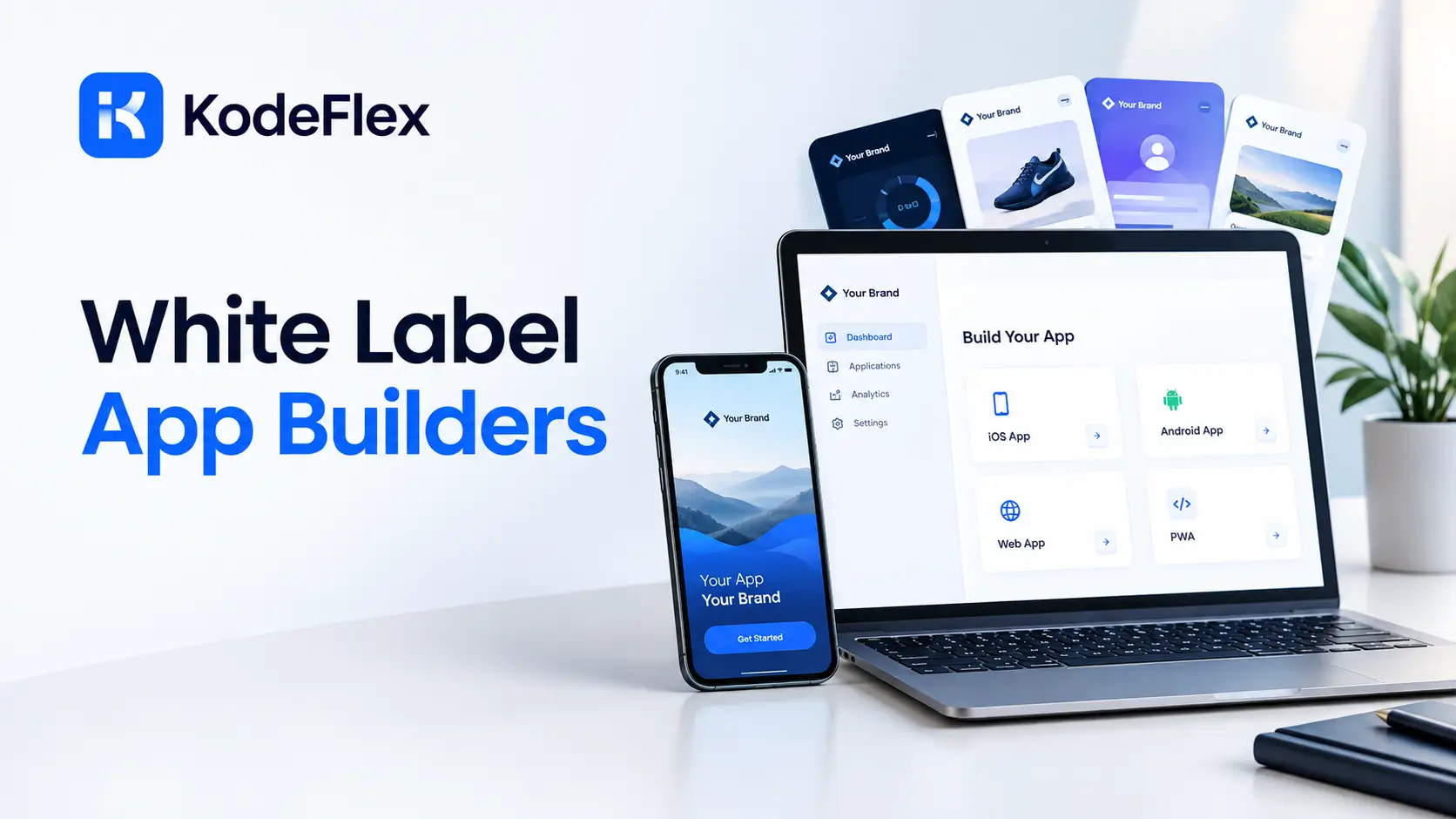
A white label app builder lets an agency or freelancer build apps for clients using a shared platform, then deliver and bill for the result under their own brand name, with the underlying tool staying invisible to the client. It’s a genuine business model, not just a technical shortcut, and it fits a specific kind of agency well.
How Does This Business Model Actually Work?
This kind of platform provides the underlying technology for building apps, while the reseller’s own branding appears everywhere the client sees, the app itself, the dashboard, and often the invoices too.
How the Relationship Actually Works
-
The reseller pays the platform a wholesale rate, either flat or per app
-
The reseller builds client apps using the platform’s tools, then delivers them under their own agency name
-
The client never sees or knows about the underlying platform, since the branding is fully replaced
-
The reseller sets their own client pricing, keeping the difference between what they charge and what the platform costs them
Which Platforms Are Worth Considering in 2026?
Several established platforms dominate this space, each with a different pricing model worth understanding before committing.
-
BuildFire: per app pricing, plans starting around $165 to $440 monthly depending on tier, includes a dedicated publishing team handling App Store submissions
-
GoodBarber: flat rate reseller plans from roughly €280 to €380 monthly for unlimited apps, native Swift and Kotlin output
-
AppMySite: flat rate around $799 to $999 monthly for unlimited apps, particularly strong for WordPress and WooCommerce focused agencies
-
Shoutem: flat rate agency plan for unlimited apps, native iOS and Android output
-
AppInstitute: revenue share model instead of flat pricing, meaning your margin is tied to client retention rather than a fixed rate
How to Choose Between the Pricing Models
-
Flat rate unlimited plans work best once you have enough clients that cost per app approaches zero at volume
-
Per app pricing gives you clearer, more predictable margins on each individual deal, useful when starting out
-
Revenue share models tie your income to long term client retention, which can work well or poorly depending on how sticky your clients actually are
What Should You Actually Check Before Signing a Reseller Agreement?
A few details matter more than the headline pricing when evaluating these platforms.
-
Does the platform handle App Store and Google Play submissions for you, or is that your responsibility
-
How deep does the white labeling actually run, does it cover the client dashboard and communications too, or just the app itself
-
What happens to existing client apps if you ever want to leave the platform
-
Are native apps produced, or a hybrid or web based output that clients might notice performs differently
Who Should Actually Consider This Business Model?
White label reselling fits a specific kind of agency well, and being honest about the fit avoids a frustrating mismatch.
Good Fits
-
Marketing or web design agencies wanting to add app development as a service without building it in house
-
Freelancers with an established small business client base wanting a productized offering
-
Agencies already managing client relationships who want a wholesale technology partner rather than an in house dev team
Weaker Fits
-
Teams wanting deep, highly custom app functionality for each client, since white label platforms are built around templated flexibility, not unlimited customization
-
Anyone expecting to compete on cutting edge native performance for every project, since the underlying platform sets a ceiling on what’s technically possible
How Does This Compare to Building Internal Tools Instead of Client Apps?
White label platforms are built specifically for the reselling business model, publishing branded apps for external clients. That’s a different problem from building internal business software for your own organization.
If your actual need is an internal tool rather than a client facing product to resell, a platform built around workflow logic, approvals, and private deployment fits better than a white label consumer app builder. This distinction between building for clients and building internally is covered in more depth in this enterprise app builder guide.
What Mistakes Do New Resellers Usually Make?
A handful of avoidable errors show up repeatedly among agencies entering this business model for the first time.
Common Missteps Worth Avoiding
-
Underpricing client apps because the wholesale platform cost looks low, without accounting for support time and client management
-
Choosing a revenue share model without modeling what happens to margins if a client cancels early
-
Skipping a test build before committing to a platform, then discovering a limitation mid client project
-
Assuming every client need fits the platform’s templates, when some clients genuinely need more customization than the tool supports
An agency once signed a revenue share reseller deal expecting steady income, then discovered that client churn in the first few months ate most of the projected margin, since the model tied earnings directly to retention rather than a fixed wholesale rate. Modeling a realistic churn scenario before signing would have surfaced that risk early.
How Do You Actually Price Client Apps Profitably?
Setting client pricing requires more than just marking up the platform’s wholesale cost by a flat percentage.
-
Factor in your own time for requirements gathering, building, and ongoing client support, not just the platform fee
-
Research what clients in your target market typically expect to pay for an app, since underpricing trains clients to undervalue the work
-
Build in a buffer for revision rounds, since first drafts rarely match a client’s expectations exactly
-
Consider tiered pricing based on complexity, rather than one flat rate for every client regardless of project scope
Frequently Asked Questions
How much can an agency actually earn reselling white label apps?
It varies widely based on pricing model and client volume, though revenue share programs at scale have been reported to generate several thousand dollars monthly across a hundred or so clients.
Do clients ever find out which platform is actually powering their app?
Rarely, if the white labeling is done properly. Reputable platforms remove all references to themselves from the client facing product and dashboard.
Is it hard to switch white label platforms later?
It takes real effort, since existing client apps typically need to be recreated on the new platform rather than simply migrated over.
Do these platforms produce real native apps?
Most of the established platforms do, though it’s worth confirming directly, since some produce hybrid or web based output instead.
What’s the difference between a white label app builder and a regular no code platform?
A white label platform is specifically built for reselling under your own brand to external clients. A regular no code platform is typically meant for building your own app directly.
If your team needs an internal business tool rather than a client resale product, see how KodeFlex generates a working app from a plain language description, or request a demo to see it built around your actual process.
Related Blogs
Educational App Development: A Practical Guide